Master the Perfect Tabouli: Essential Tips for a Zesty Parsley Salad
There are few dishes that capture the essence of Mediterranean freshness quite like tabouli. This vibrant, herbaceous salad, also known as
tabbouleh or
tabouleh, is a cornerstone of Lebanese cuisine and has gracefully made its way to dinner tables worldwide. More than just a side dish, a truly
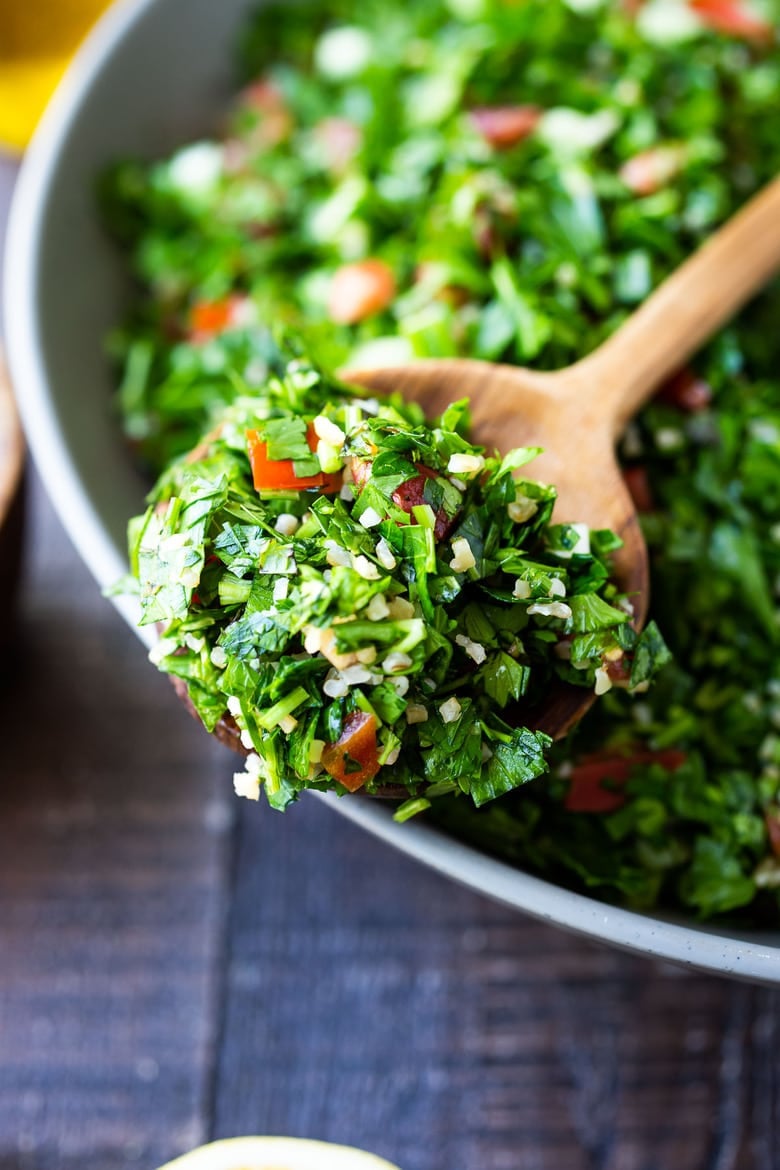
Authentic Lebanese Tabbouleh is a symphony of finely chopped vegetables, tender bulgur wheat, and an abundance of fresh parsley, all brightened by a simple yet potent lemon-olive oil dressing. If you've ever dreamt of crafting a tabouli that truly sings with zesty flavor, you've come to the right place. We're diving deep into the secrets to mastering this iconic parsley salad.
What Defines a Traditional Tabouli (Tabbouleh)?
At its heart, a
traditional tabouli tabbouleh salad is a refreshing vegetarian Middle Eastern dish celebrated for its unparalleled freshness and lively flavors. While spellings may vary (tabouli, tabbouleh, tabouleh), the core components remain constant and contribute to its undeniable appeal. The foundation of this salad rests on a generous amount of fresh parsley, finely chopped tomatoes, crisp scallions (green onions), and rehydrated bulgur wheat. These ingredients are then united by a simple, yet crucial, dressing of extra virgin olive oil, freshly squeezed lemon juice, and a pinch of salt. It's this simple combination, executed with care, that creates the crave-worthy balance of earthy, tangy, and invigorating notes.
Beyond its incredible taste, tabouli is also remarkably healthy. Packed with plant-based goodness, it's a fantastic source of fiber, vitamins, nutrients, and healthy fats. This makes it not only a delicious choice but a satisfying one too. For a deeper dive into its nutritional profile, you might want to explore
Is Tabbouleh Healthy? Unpacking the Nutrients of This Plant-Based Salad. The key to its health benefits, and indeed its flavor, lies in the quality and freshness of its simple ingredients.
The Cornerstone Ingredients: Achieving Zesty Perfection
Crafting the perfect
traditional tabouli tabbouleh salad is an art that begins with selecting and preparing the right ingredients. Each component plays a vital role in achieving that coveted zesty, fresh flavor profile.
Parsley: The Undisputed Star
This is where your tabouli truly shines. Flat-leaf parsley, also known as Italian parsley, is the main ingredient and should never be skimped on. Its robust, earthy, and slightly peppery flavor is the cornerstone of the dish.
- Quantity is Key: Don't be afraid to use a generous amount. In tabouli, parsley isn't just a garnish; it's the hero.
- Chop It Fine: The hallmark of an authentic tabouli is finely chopped parsley. While you can do this by hand with a sharp knife and patience, a food processor can be a real time-saver. Pulse it in batches until it's very finely minced, almost like confetti, ensuring not to over-process it into a paste.
- Wash and Dry Thoroughly: Before chopping, wash your parsley well and dry it completely. Excess water can make your salad soggy and dilute the dressing's impact. A salad spinner is excellent for this task.
- Use Stems and Leaves: For maximum flavor and to minimize waste, use the entire bunch, including the tender stems. They add texture and flavor that shouldn't be discarded.
Bulgur Wheat: The Hearty Binder
Bulgur wheat is a whole-grain cracked wheat that forms the structural base of the salad. Traditionally, fine bulgur wheat (#1 grade) is used, which requires only soaking, not cooking.
- Fine Bulgur is Traditional: Opt for the finest grade of bulgur. This type rehydrates quickly and blends seamlessly with the other finely chopped ingredients without overpowering them.
- The Soaking Method: Place the bulgur in a bowl and cover it with hot (not boiling) water. Let it soak for 15-20 minutes, or until tender and plump. Then, drain it thoroughly, pressing out any excess water. This step is crucial; too much water will lead to a watery salad. Some recipes even advocate for simply rehydrating the bulgur with the lemon juice from the dressing, allowing it to absorb the flavor directly.
Tomatoes: Burst of Sweetness and Color
Fresh, ripe tomatoes add a crucial burst of sweetness, acidity, and vibrant color to the tabouli.
- Summer's Best: When in season, use garden-fresh summer tomatoes for the best flavor.
- Winter Alternatives: During colder months, colorful grape or cherry tomatoes can be a fantastic substitute, offering concentrated flavor and good texture.
- Finely Dice: Like the parsley, tomatoes should be finely diced to integrate well into the salad.
Scallions (Green Onions): Aromatic Zing
Scallions provide a mild, fresh oniony flavor that complements the parsley beautifully.
- Slice Thinly: The white and light green parts of the scallions should be thinly sliced.
- Alternatives: If scallions aren't available, finely minced red onion or shallots can be used, though they will impart a stronger flavor.
Fresh Mint Leaves: The Optional Zest Enhancer
While some regional variations omit it, a touch of fresh mint leaves adds an incredibly refreshing, cooling dimension that truly elevates the
traditional tabouli tabbouleh salad.
- Highly Recommended: Don't skip this if you want that extra layer of complexity and freshness.
- Finely Chop: A small handful of fresh mint, finely chopped, is all you need.
The Zesty Dressing: Lemon Juice & Extra Virgin Olive Oil
The dressing is simple, but its quality dictates the overall vibrancy of the tabouli.
- Fresh Lemon Juice is Non-Negotiable: Always use freshly squeezed lemon juice. Bottled lemon juice pales in comparison and will lack the bright, natural zest crucial for this salad.
- High-Quality Extra Virgin Olive Oil: This isn't the time to skimp. A good quality extra virgin olive oil provides a fruity, peppery depth that enhances all the other flavors. Do not use any other type of oil.
- Salt to Taste: Fine sea salt helps to bring all the flavors together and should be added judiciously.
Mastering the Method: Tips for an Unforgettable Tabouli
Once your ingredients are prepped, assembly is straightforward, but a few techniques can make all the difference in creating a truly outstanding
traditional tabouli tabbouleh salad.
- Achieve Uniformity in Chop: The key to tabouli's texture is that all solid ingredients (parsley, tomatoes, mint, scallions) are finely and uniformly chopped. This ensures a cohesive bite where no single ingredient overwhelms another.
- Drain Bulgur Meticulously: After soaking, squeeze out every last drop of water from the bulgur. You can use a fine-mesh sieve or even wrap it in a clean kitchen towel and gently press. Excess water is the enemy of zesty tabouli.
- Layer and Toss Gently: In a large bowl, combine the drained bulgur, finely chopped parsley, tomatoes, scallions, and mint.
- Dress Generously: Whisk together the fresh lemon juice, extra virgin olive oil, and salt. Pour it over the salad. Don't be tempted to cut back on the dressing; it's designed to coat every morsel and infuse the salad with flavor.
- Mix Thoroughly: Using a spoon or your hands, gently toss the salad until all ingredients are well combined and coated with the dressing.
- Allow to Rest: This is a crucial, often overlooked step. Cover the bowl and refrigerate the tabouli for at least 30 minutes, or ideally 2-3 hours. This allows the flavors to meld and deepen, and for the bulgur to fully absorb the zesty dressing. In fact, many believe tabouli is even better the next day!
Serving Suggestions and Storage
Tabouli is incredibly versatile. It makes a fantastic light meal on its own, a refreshing side dish to grilled meats, fish, or falafel, and a vibrant addition to any mezze platter. Serve it chilled, perhaps with some crisp romaine lettuce leaves for scooping.
Store leftover tabouli in an airtight container in the refrigerator for up to 3-4 days. The flavors will continue to develop, often making it taste even better after a day or two.
Conclusion
Mastering the perfect
traditional tabouli tabbouleh salad is a rewarding culinary journey that emphasizes freshness, balance, and quality ingredients. By paying attention to the details—from the fine chop of the abundant parsley to the judicious use of fresh lemon juice and excellent olive oil—you can create a parsley salad that is not only authentically delicious but also incredibly vibrant and healthy. This zesty, refreshing dish is more than just a recipe; it's a celebration of simple, wholesome ingredients coming together to create something truly extraordinary. So grab your cutting board, embrace the parsley, and prepare to delight your senses with this timeless Lebanese classic.