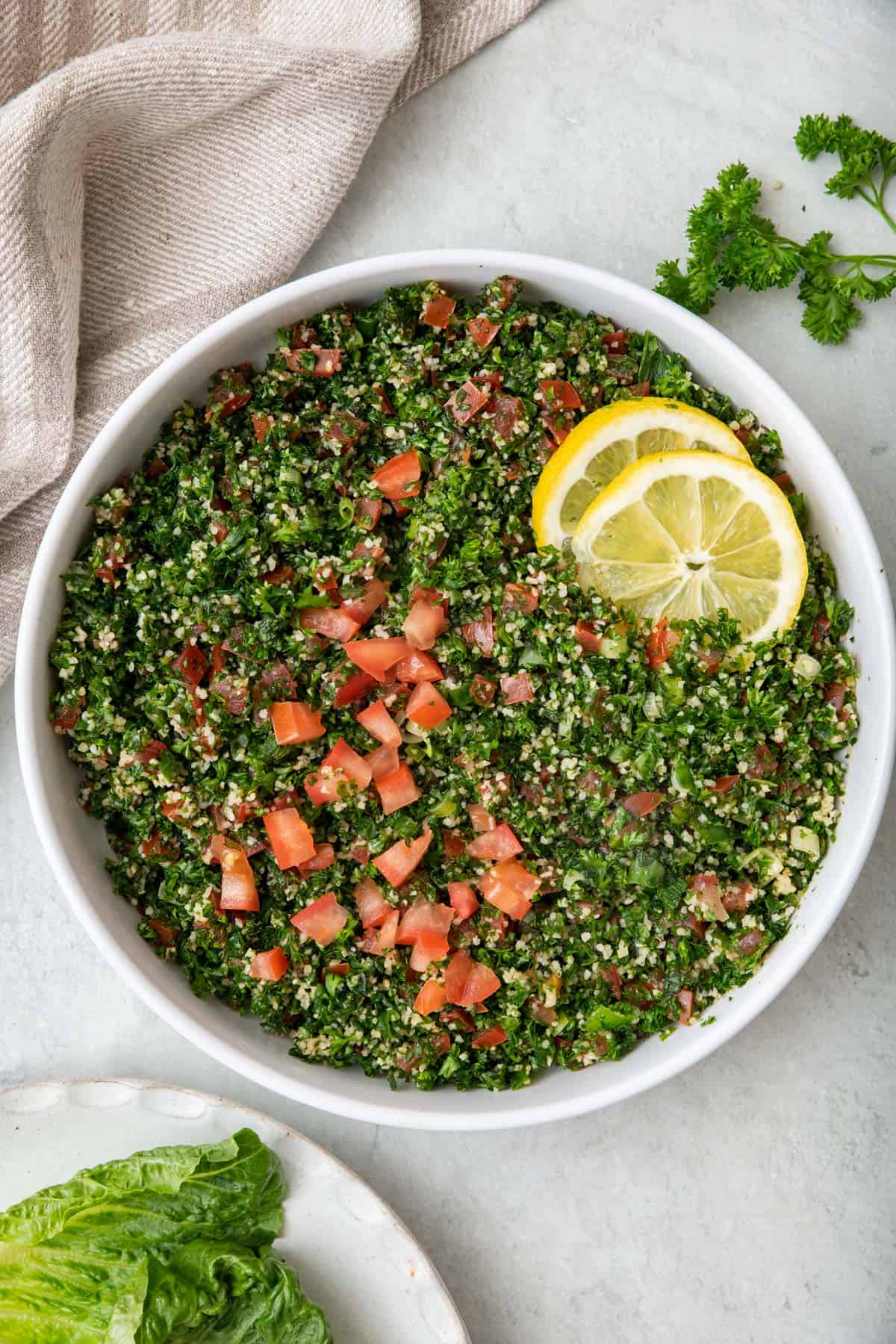
Step into the vibrant culinary landscape of the Middle East, and you'll quickly discover a salad that reigns supreme: Tabbouleh. More than just a side dish, authentic Lebanese Tabbouleh is a celebration of fresh, earthy flavors, an invigorating blend that has captivated palates worldwide. This classic parsley salad isn't just delicious; it's a refreshing, healthy staple, bursting with a brightness that will transport your senses straight to the shores of the Mediterranean.
Often misspelled or mispronounced, whether you call it tabouli, tabbouleh, or tabouleh, its essence remains the same: a finely chopped, vibrant green salad built on a foundation of fresh parsley, ripe tomatoes, crisp scallions, and delicate bulgur wheat, all brought to life by a zesty lemon and olive oil dressing. It's a dish where simplicity meets perfection, a testament to the power of high-quality, fresh ingredients.
What is Tabbouleh? A Culinary Icon Rooted in Tradition
At its heart, Tabbouleh is a quintessential Middle Eastern vegetarian salad, cherished for its incredibly fresh and herbaceous profile. While many versions exist, the authentic Lebanese recipe champions a specific balance, with parsley taking center stage. Unlike many salads where greens are a base, in Tabbouleh, parsley is the star – a verdant explosion of flavor and texture that defines the dish.
The beauty of a traditional tabbouleh salad lies in its straightforward nature. It’s not about complex cooking techniques but rather about meticulous preparation and the quality of each component. Imagine the sun-drenched fields of Lebanon, where fresh ingredients are abundant, and culinary traditions are passed down through generations. This is the spirit embodied in every spoonful of genuine Tabbouleh. It's a dish that evokes family gatherings, shared meals, and the simple joy of eating well. The recipe we delve into here reflects the timeless version enjoyed in many Jewish-Lebanese households, a testament to a dish so perfect, there's no need to mess with it.
Embrace Health with Every Spoonful of Tabbouleh
Beyond its incredible taste, traditional tabouli tabbouleh salad is a nutritional powerhouse. It’s a truly healthy dish, packed with wholesome, plant-based ingredients that offer a wealth of benefits. Each component contributes to a salad that is not only delicious but also genuinely good for you. For a deeper dive into its nutritional profile, explore Is Tabbouleh Healthy? Unpacking the Nutrients of This Plant-Based Salad.
- High in Fiber: Bulgur wheat, a whole grain, is an excellent source of dietary fiber, crucial for digestive health and promoting satiety.
- Rich in Vitamins and Minerals: Fresh parsley, tomatoes, and scallions are loaded with vitamins A, C, and K, as well as essential minerals and antioxidants that support overall well-being.
- Healthy Fats: The generous use of extra virgin olive oil provides monounsaturated fats, known for their heart-healthy benefits.
- Satiating and Energizing: The combination of fiber, healthy fats, and fresh produce helps keep you feeling full and energized, making it a perfect light meal or substantial side.
A significant portion of Tabbouleh's health benefits and, indeed, its flavour, comes from its simple yet potent dressing. A blend of high-quality extra virgin olive oil, freshly squeezed lemon juice, and a touch of salt transforms the raw ingredients into a symphony of taste. Don't be tempted to skimp on the dressing; it's designed to perfectly coat and enhance every single bite, making the healthy aspects even more enjoyable.
The Essential Ingredients for Your Classic Tabbouleh
Crafting the perfect authentic Lebanese Tabbouleh hinges entirely on the quality and preparation of its core ingredients. There are no shortcuts to excellence here; each element plays a vital role in creating that signature fresh, vibrant flavor.
Parsley: The Undisputed Star
This is where the magic begins. Tabbouleh is, first and foremost, a parsley salad. We're talking about a significant amount of fresh parsley – don't hold back! Flat-leaf parsley, also known as Italian parsley, is preferred for its bright, slightly peppery, and earthy flavor. Its texture holds up beautifully, making it the cornerstone of the dish.
- Quantity is Key: Use entire bunches, stems included. The stems contribute to the texture and flavor, just make sure they are finely chopped.
- Chopping Method: While chopping by hand ensures precision, a food processor can achieve those desired fine pieces with ease. The goal is a fine, almost minced consistency, not chunky leaves.
Bulgur Wheat: The Hearty Grain
Bulgur is a whole-grain cracked wheat that provides a subtle chewiness and wholesome base to the salad. It’s pre-cooked, so it only requires soaking, not boiling.
- Type of Bulgur: Traditionally, a very fine (#1) bulgur wheat is used for tabbouleh, as it absorbs the dressing beautifully and blends seamlessly with the finely chopped vegetables.
- Preparation: Soak the bulgur in hot water until tender, then drain thoroughly. Squeeze out any excess water to prevent a soggy salad.
Tomatoes: Bursts of Sweetness
Fresh, ripe tomatoes add essential moisture, sweetness, and a pop of color. Their natural acidity complements the lemon dressing beautifully.
- Summer's Best: During peak season, opt for juicy, ripe summer tomatoes.
- Winter Alternatives: In colder months, a mix of red, yellow, and orange grape or cherry tomatoes can provide that concentrated sweetness and vibrant hue. Always choose the freshest available.
Scallions (Green Onions): A Pungent Kick
Finely sliced scallions, or green onions, provide a mild oniony bite and a subtle freshness that enhances the overall flavor profile.
- Alternatives: If scallions aren't available, finely minced red onion or shallots can be used, though they will impart a slightly stronger flavor.
Fresh Mint Leaves: The Aromatic Enhancer (Highly Recommended)
While some versions omit it, fresh mint leaves are a truly wonderful addition, lending a bright, cooling, and aromatic counterpoint to the parsley. It’s optional, but highly recommended for that extra layer of authentic flavor.
The Dressing: Simple Perfection
- Lemon Juice: Always use freshly squeezed lemon juice. The bottled variety simply cannot compare to the bright, zesty flavor that fresh lemons provide.
- Extra Virgin Olive Oil: This is not the place to economize. Use the best quality extra virgin olive oil you can afford. Its fruity, peppery notes are integral to the dressing's success. Avoid any other type of oil.
- Salt: A crucial seasoning that brings all the flavors together and elevates the entire dish.
Crafting Your Perfect Tabbouleh: Tips for Success
Achieving that iconic Tabbouleh texture and flavor is all about technique and a keen eye for detail. Follow these practical tips to master your own traditional tabouli tabbouleh salad:
- The Art of Fine Chopping: This cannot be stressed enough. All vegetables and herbs, especially the parsley and mint, must be very finely chopped. This creates a cohesive texture where no single ingredient overwhelms another, allowing the flavors to meld beautifully. A food processor can be a great ally here, but pulse carefully to avoid a paste.
- Thoroughly Drain the Bulgur: After soaking, ensure your bulgur is very well drained and squeezed of any excess water. Too much moisture will dilute the dressing and make your Tabbouleh soggy.
- Don't Skimp on the Dressing: The olive oil and lemon juice mixture is not just for flavor; it's essential for coating every finely chopped piece, integrating all the ingredients, and contributing to the salad's healthy fats. Trust the recipe; the amount is usually just right.
- Give it Time to Mingle: While delicious immediately, Tabbouleh often tastes even better after resting for an hour or two in the refrigerator. This allows the flavors to deepen and meld, and the bulgur to fully absorb the zesty dressing. It's even excellent the next day!
- Taste and Adjust: Always taste your Tabbouleh before serving and adjust the salt or lemon juice as needed. Personal preference plays a role, and a little extra zest can make all the difference.
For more expert advice and techniques, check out Master the Perfect Tabouli: Essential Tips for a Zesty Parsley Salad.
Serving Your Authentic Lebanese Tabbouleh
Authentic Lebanese Tabbouleh is incredibly versatile. It shines as a refreshing side dish to grilled meats, fish, or chicken. It's also a cornerstone of any traditional Mezze platter, served alongside hummus, baba ghanoush, falafel, and pita bread. Many enjoy it simply on its own as a light, satisfying lunch. While the classic recipe remains supreme, slight regional variations might include finely diced cucumber for an added crunch, but the parsley-forward essence always remains.
In conclusion, authentic Lebanese Tabbouleh is more than just a recipe; it's a culinary experience. Its vibrant colors, fresh aromas, and invigorating flavors make it an irresistible addition to any meal. By understanding the importance of fresh, quality ingredients and mastering a few simple techniques, you can recreate this traditional tabouli tabbouleh salad in your own kitchen. Embrace the fresh parsley, the zing of lemon, and the richness of olive oil, and discover why this classic parsley salad continues to be a beloved staple across the globe.
